


| GRI 3-3 | SASB RT-CH-130a.1 | CDP C.4 | CDP C.8 | CDP C.9 |
| TCFD Metrics and Targets A | TCFD Metrics and Targets C |
Our Approach

reduction in energy consumption intensity
Horizon 2025 target
10%

Our calculation for energy consumed is as follows:
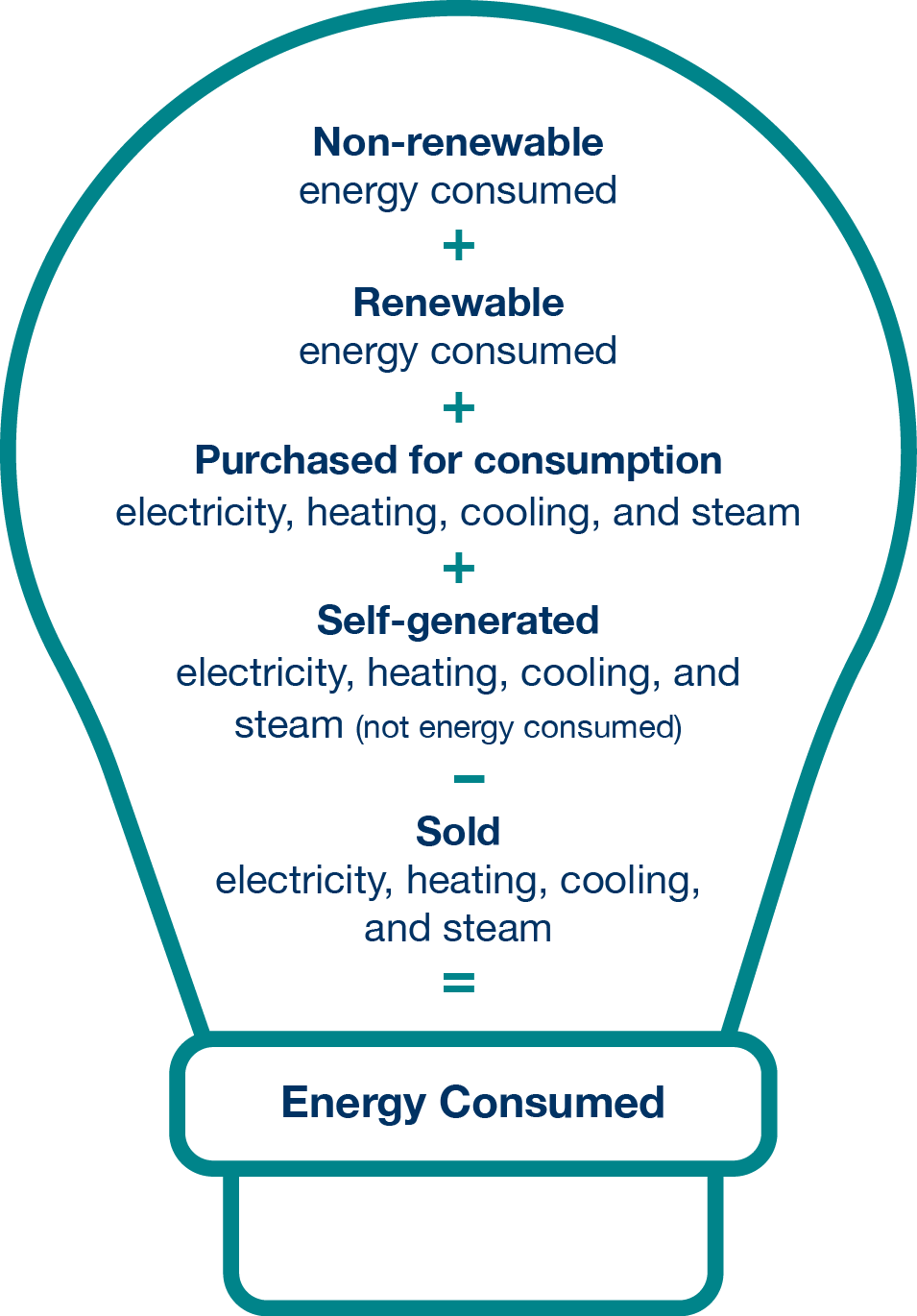
2021 Energy Intensity
5.0%
higher than 2019 baseline
was 5.93 gigajoules per ton of sold product


Huntsman 2021 Sustainability Report 46
targeted investments to reduce energy consumption. We have also engaged electricity providers regarding the procurement of renewable electricity to lower the carbon footprint of our operational emissions.
Our sites measure and report energy consumption, including the type of energy consumed for on-site operations, as well as purchased electricity, heating, cooling and steam, energy generated but not consumed, and energy sold.
All forms of energy are converted to gigajoules (GJ) by using standard conversion factors and applying assumptions to the energy content of purchased fuels if not provided by the energy supplier. Energy consumed is divided by sold production to determine intensity.
our equipment at its end of life with higher energy efficiency replacements and
Our manufacturing operations require large amounts of energy to power processing units, machinery, and non-manufacturing facilities. Our primary energy sources are purchased natural gas for non-feedstock fuel to power on-site processing units and generate steam, purchased steam generated offsite, and purchased electricity generated offsite. Our energy comes from both non-renewable and renewable sources. Energy consumption can contribute to water demand and air emissions. Reduction in energy demand results in financial savings and fewer environmental impacts.
Huntsman is committed to energy efficiency, and our Horizon 2025 goals include a target to reduce energy intensity by 10% from 2019 by 2025. Working toward this goal also supports our greenhouse gas and water reduction targets.
We continually evaluate energy usage at our sites, including identifying opportunities to improve the efficiency of steam and electricity generation, heat requirements, and production processes. Improvements can come in the form of renewal of